UK Guide
Digital Voice and Vulnerable Users
With the copper phone network switching off by January 2027, here's what the change means for safety, telecare and emergency access, and how to prepare in good time.
Full switchover guideBackup power & telecareThe UK's traditional landline network is being retired. By January 2027, the Public Switched Telephone Network (PSTN) will be switched off and replaced by digital voice services.
For many households this change will be simple. However, it raises important questions for people who rely heavily on their home phone. Older people, disabled users and people with telecare alarms often depend on landlines for safety, independence and daily communication. So what happens when those analogue lines disappear?
This guide explains how digital voice works for vulnerable users, what support is available and how to prepare safely for the switchover. For the full picture, see our UK digital landline switchover guide.
How can I stop scam calls on my elderly parent's landline?
Move their home phone to a provider that automatically blocks scam and nuisance numbers before the phone rings. Phonely's CallGuard is police-endorsed scam call protection: it blocks known fraud numbers using live UK data, records calls for reassurance, and lets a trusted family member get alerts or join a call, so your parent can answer with confidence.
See how CallGuard works · How to stop scam calls on an elderly parent's landline · Buying for someone else
Digital voice and vulnerable users
Safety, telecare compatibility and emergency access during the 2027 switchover.
What this guide covers
This page answers common searches about digital voice telecare compatibility, PSTN switch off vulnerable customers support and emergency calls via digital landlines in the UK: how digital voice works for older and vulnerable users, backup power and battery options, what providers must do, and how to check telecare and medical alarms before you switch.
Why the digital landline switchover matters for vulnerable users
Landlines still play a critical role in everyday life for millions of people across the UK. Many vulnerable people rely on their home phone to:
- Contact family or carers
- Call emergency services
- Use telecare alarm systems
- Speak with healthcare providers
- Stay socially connected
For people who are less comfortable with mobile phones or smartphones, the landline remains the most familiar and trusted way to communicate. The PSTN switch-off therefore needs to be handled carefully to ensure nobody is left without a reliable way to call for help.
The good news is that providers are required to take extra steps to protect vulnerable customers during the migration. For PSTN switch off vulnerable customers support, see what your provider offers and our preparing your home for digital voice guide.
How digital voice works after the PSTN switch-off
Digital voice services use Voice over Internet Protocol (VoIP). Instead of travelling over copper telephone lines, calls are converted into data and sent through an internet connection.
In most homes the telephone plugs into a broadband router or digital adapter rather than a wall socket. For many users the experience will feel almost identical to a traditional landline:
- You still use a handset
- You still dial numbers in the same way
- You can keep your existing phone number
The difference is simply how the call is transmitted. For more detail, read What is a digital landline? and Digital landline vs VoIP.
The biggest concern: power cuts
One of the main concerns for vulnerable users is what happens during a power cut. Traditional analogue landlines worked even when the electricity was off because the power came from the telephone exchange.
Digital voice works differently. Because the phone connects to a broadband router or adapter, the equipment needs electricity to operate. This means emergency calls digital landline UK may not work during a power outage unless backup power is available.
Providers must offer solutions for customers who depend on their landline for safety. See backup options below.
Backup power solutions for vulnerable households
UK telecom providers must provide solutions for customers who rely on their landline in emergencies. These can include:
Battery backup units
Some providers offer battery packs that keep routers and digital adapters powered during a power cut. These typically provide enough power for emergency calls for around one hour.
Mobile phone alternatives
Many providers also recommend keeping a charged mobile phone available as a backup. For households with poor mobile signal, providers may offer additional support.
Emergency call access
Even when digital services are used, emergency access remains a priority. Providers are required to ensure vulnerable customers can still contact emergency services. For a full checklist, see preparing your home for digital voice.
Telecare devices and medical alarms
An estimated 2 million people across the UK rely on telecare services such as personal alarms and fall detectors (source: gov.uk Telecare National Action Plan), so getting this right matters.
One of the most important issues in the digital switchover is digital voice telecare compatibility. Telecare devices include:
- Personal alarm pendants
- Fall detection sensors
- Remote health monitoring devices
- Medical alert systems
- Lift emergency phones
Many older devices were designed to operate on analogue telephone lines. Because digital voice uses internet technology, some legacy equipment may not work correctly after the switchover.
Checking telecare compatibility before you switch is essential. See the next section for practical steps.
Checking telecare compatibility
If someone in your household uses a telecare alarm, it is essential to check compatibility before switching to digital voice. The safest approach is to:
- Contact your telecare provider
- Ask whether your device is digital-compatible
- Upgrade equipment if necessary
- Test the device after migration
Most modern telecare systems are now designed for digital networks. Local authorities and care providers are also upgrading equipment to ensure continuity of service.
For more on equipment and power cuts, see preparing your home for digital voice.
What telecom providers must do to protect vulnerable users
UK telecom providers have been instructed to follow strict rules when migrating vulnerable customers to digital voice. These protections include:
Identifying vulnerable customers
Providers must identify customers who rely on landlines for safety, medical support or accessibility.
Providing additional support
Extra support may include: engineer visits, free backup batteries, equipment upgrades and priority support.
No forced migration
Customers should not be switched to digital voice without proper preparation. Under the December 2023 industry telecare charter, providers have committed not to migrate telecare users until a compatible, working solution is confirmed, and Ofcom requires providers to keep emergency calls working for at least an hour during a power cut.
How families can help during the switchover
For many older people, the digital switchover may feel confusing. Family members and carers can help make the process easier. Simple steps include:
- Helping check telecare compatibility
- Testing phones after the upgrade
- Ensuring backup power is available
- Explaining how the new system works
Taking these steps early helps avoid disruption later. For timelines, see our digital switchover timeline 2024–27.
Protecting vulnerable users from phone scams
Another important issue during the switchover is phone fraud. Scammers often target older people who rely on landlines. Millions of UK residents have been targeted by phone scams in recent years, which is one of the key reasons services like Phonely focus on protecting vulnerable users from fraudulent calls.
Digital voice services can actually improve protection against these threats. Modern systems can include: automatic scam call blocking, suspicious call alerts, call recording for safety, and trusted person monitoring. These features create a protective barrier that traditional analogue landlines never had.
See call blocking and scam protection and anti-fraud and trusted contacts.
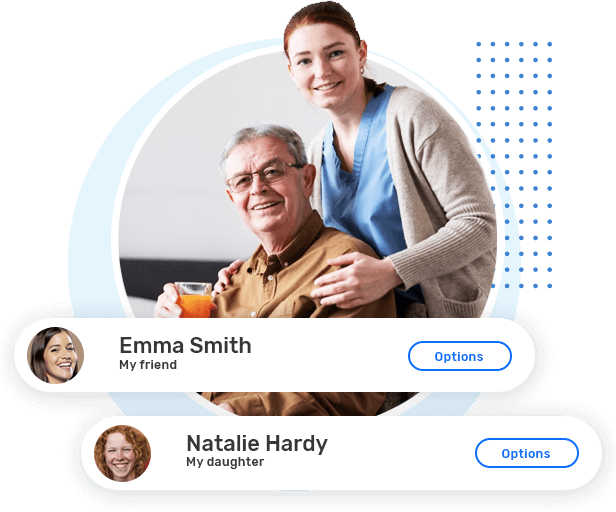
Older adults at home over the summer holidays are a prime target for scam callers, here's how CallGuard helps
With family often away and more time spent at home alone during the summer, older relatives can field more unexpected calls, and scammers know it. Phonely's CallGuard blocks known scam and nuisance numbers before the phone even rings, and alerts a trusted family member if a suspicious call gets through, so nobody has to judge a dodgy caller on their own.
Why digital voice can be safer than analogue landlines
Although the switchover may feel disruptive at first, digital voice technology offers several advantages. For vulnerable users, these can include:
Better scam protection
Advanced call blocking can stop known scam numbers before they reach the phone.
Trusted person monitoring
Family members can be notified if suspicious calls occur.
Call recording
Calls can be recorded for safety and evidence if fraud is suspected.
Remote support
Carers or family members can help manage call settings remotely. These tools can help vulnerable users feel more confident answering their phone again. Explore Phonely features, our digital landline service and best digital landline UK options.
What vulnerable customers should do now
The PSTN switch-off will continue across the UK until January 2027. If you or someone you care for relies on a landline, there is no need to panic. However, it is sensible to start preparing.
Practical steps include: waiting for your provider to contact you about the upgrade; checking telecare compatibility; discussing backup power options; and ensuring emergency contacts are available. Planning early helps avoid stress later. For the full guide, see UK digital landline switchover.
Frequently asked questions
Digital voice telecare compatibility means your telecare or medical alarm works with a phone line that uses the internet instead of the old copper network. You should contact your telecare provider before switching to confirm your device works with digital voice or needs upgrading.
No. Landlines are not disappearing. The technology behind them is simply changing from analogue to digital. You will still be able to make and receive calls using a home phone.
Yes. In most cases you can keep your existing landline number when moving to digital voice.
You should contact your telecare provider before switching. They will confirm whether your device works with digital voice or needs upgrading.
Digital voice equipment needs electricity to work. Providers must offer solutions such as battery backup or alternative arrangements for vulnerable customers.
Yes. Digital voice calls travel through an internet connection rather than a copper phone line.
Not automatically, so check before you switch. Many older telecare and medical alarms were built for the analogue network and may not work reliably on digital voice. Under the industry telecare charter, providers have committed not to migrate telecare users until a compatible, working solution is confirmed, so contact your telecare provider or local council before switching and always test the alarm afterwards.
Preparing for the digital landline future
The PSTN switch-off is one of the biggest changes to UK telecommunications in decades. For vulnerable users, the key priorities are safety, reliability and simplicity. With the right preparation, digital voice can deliver all three.
Modern digital landline services can provide better protection from scams, improved call quality and stronger support for families and carers. If you want to learn more about the switchover, read our full guide: Digital Landlines in the UK: Complete Guide to the 2027 Digital Voice Switchover.
What should you do next?
For the full picture on the 2027 PSTN switch off, how to prepare, and what to look for in a provider, read our main UK guide.
Or:
- What is a digital landline?
- Digital switchover timeline 2024–27
- BT switchover options
- Preparing for digital voice
- Digital landline vs VoIP
- Our digital landline service · How digital voice works at Phonely
- Landline replacement options · Digital landline providers
- Explore Phonely plans · FAQs and costs · Call blocking and scam protection · Anti-fraud and trusted contacts