UK Guide
Digital Landline vs VoIP: What's the Difference?
Plain English guide to digital landlines, VoIP and the 2027 UK switchover.
Full switchover guideQuick answerThe UK phone network is going through its biggest change in decades. As the UK PSTN switch-off approaches, the analogue network retirement means millions of households will move from copper phone lines to digital voice and internet calling.
By January 2027, the old analogue landline system known as the Public Switched Telephone Network (PSTN) will be permanently switched off. During this landline switchover, two terms appear everywhere: digital landline (or digital home phone) and VoIP (Voice over Internet Protocol). Many people think they are completely different technologies. In reality, they are closely related.
Understanding the difference between digital landline and VoIP helps you choose the best landline replacement and prepare for the digital voice migration.
In this guide we explain: what a digital landline is; what VoIP means; how they are connected; the pros and cons of each; and which option is best for UK households. For the full picture on the 2027 deadline, see our UK digital landline switchover guide.
Digital landline vs VoIP explained
What they are, how they connect, and which is right for you.
At a glance
Digital landline
- Home phone service
- Runs through broadband router
- Designed for households
- Home phone service
- Runs through broadband router
- Designed for households
At a glance
VoIP
- Internet calling technology
- Used by homes and businesses
- Works across phones, apps and computers
The short answer: digital landline vs VoIP
“VoIP is the technology. Digital landline is the service built on that technology.”
VoIP allows phone calls to travel across the internet instead of copper telephone lines. A digital landline is simply a consumer-friendly phone service that uses VoIP behind the scenes. So when your provider moves you to Digital Voice (such as BT Digital Voice or other home phone over broadband services), you are usually moving to a VoIP system without realising it.
What is the difference between a digital landline and VoIP?
A digital landline is a home phone service that uses internet technology to make calls. VoIP, or Voice over Internet Protocol, is the technology that allows those calls to travel over broadband networks instead of traditional copper phone lines. Most digital landlines are powered by VoIP behind the scenes.
What is a digital landline?
A digital landline (or digital phone service) is the modern landline replacement for traditional home phone services. Traditional analogue landlines relied on copper phone lines connected to the PSTN network, whereas digital voice services use packet-switched internet technology. Instead of the old copper PSTN network, calls are transmitted over your internet connection via a broadband router or VoIP adapter.
How digital landlines work
- Your broadband router connects to the internet
- Your phone connects to the router or a VoIP adapter
- Your voice is converted into digital packets
- The call travels across the internet to the other person
From the user's perspective, nothing really changes. You still pick up the phone, dial a number and speak normally. For more detail, see What is a digital landline?.

What is VoIP?
VoIP stands for Voice over Internet Protocol. It is the technology that allows voice calls to be transmitted over the internet (internet calling or IP telephony). Instead of dedicated telephone circuits, VoIP breaks your voice into small voice packets and sends them across internet protocol networks. These packets are then reassembled into audio when they reach the recipient.
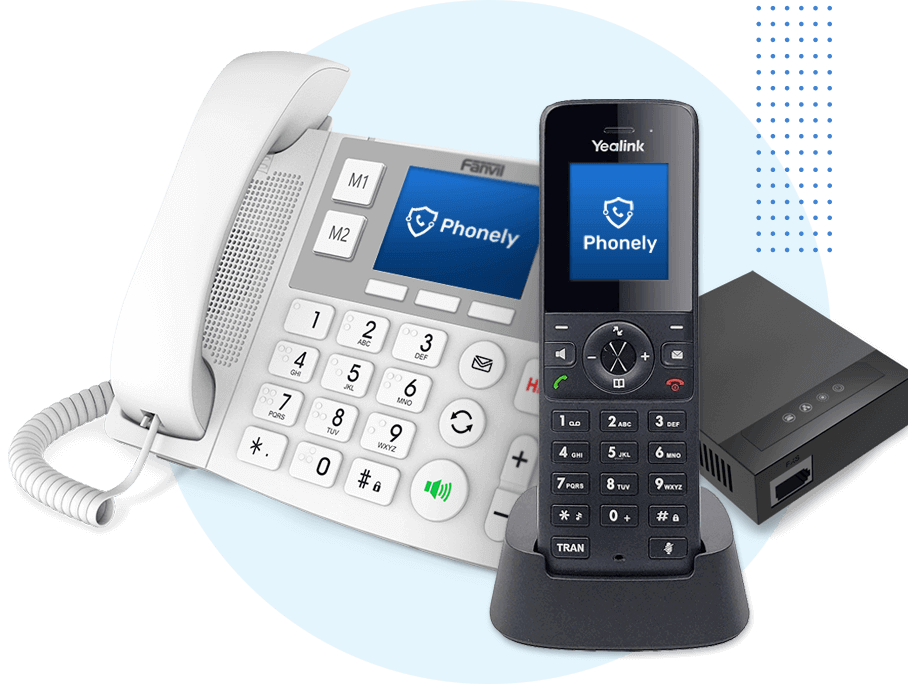
VoIP is widely used in: VoIP home phone services; business phone systems; internet calling apps; video conferencing platforms. A VoIP provider may supply a VoIP handset, adapter or app.
How VoIP technology actually works
VoIP works by converting your voice into digital data packets. These packets travel across broadband networks using technologies such as SIP (Session Initiation Protocol) for call routing and session setup. The underlying method is packet switching: your voice is split into voice packets, sent over internet protocol networks, and reassembled into audio at the other end so the conversation can continue in real time. Factors such as latency and jitter can affect call quality on poor connections, but on a stable line SIP calling is typically very clear.
Because VoIP uses existing internet infrastructure, it is cheaper and more flexible than traditional phone networks.
Why the UK is moving to digital landlines
The shift to digital voice is happening because the PSTN network is now outdated. This analogue network retirement was originally designed in the 20th century, long before modern broadband networks existed. Maintaining this infrastructure has become increasingly difficult and expensive.
Switching to digital voice offers several advantages: modern network infrastructure; lower maintenance costs; improved call quality; more advanced phone features. As a result, the UK PSTN switch-off is driving a digital voice migration across the country. Telecom providers (including BT Digital Voice and others) are gradually migrating customers to home phone over broadband and other landline replacement options before the 2027 switch-off deadline.
If you want a full overview of the landline switchover, see our UK digital landline switchover guide.
Digital landline vs VoIP: key differences explained
When people search for the difference between digital landline and VoIP, or digital voice vs VoIP or VoIP vs landline UK, they often want to know whether an internet phone vs landline is a different product. Although the technologies overlap, there are some practical differences.
| Feature | Digital Landline | VoIP Service |
|---|---|---|
| What it is | Home phone service using internet technology | Internet calling technology |
| Target users | Residential households | Businesses and advanced users |
| Setup | Usually plug-and-play | May require configuration |
| Hardware | Router connection or adapter | IP phones, apps or adapters |
| Provider | Traditional telecom providers | VoIP specialist companies |
The biggest difference is how the service is delivered. Digital landlines are designed to feel simple and familiar. Standalone VoIP services offer more flexibility and control.
Digital landlines
- Simplicity – easy to use, plug in and start calling
- Familiar experience – same handset and dialling; easier for less tech-confident users
- Modern features – spam call blocking, caller ID, call recording, mobile apps
- Better scam protection – software-based block lists and automated tools. See call blocking and scam protection
- Internet dependency – phone service stops if broadband fails
- Power cut limitations – no dial tone without battery backup. More: preparing for digital voice
- Older devices – telecare, alarms and some medical kit may need upgrades for digital
VoIP services
- Advanced control – online dashboards for call routing, voicemail and devices
- Device flexibility – IP phones, smartphones, computers, adapters; answer from anywhere
- Location independence – number not tied to one address; useful when travelling or remote working
- More technical setup – some systems need SIP or network configuration
- Reliability varies – choose a reputable provider for consistent service
Are digital landlines the same as VoIP?
Digital landlines are usually powered by VoIP technology, but they are packaged as a simple home phone service. VoIP is the technology that allows calls to travel over the internet; a digital landline is the consumer service built on that technology.
Do you need broadband for a digital landline?
Yes. Digital landlines require an internet connection: fibre broadband, standard broadband, 4G or 5G home internet, or satellite broadband. Your phone typically connects via a router phone port or VoIP adapter. Without internet, digital voice cannot operate.
Can you keep your phone number?
In most cases, yes. You can usually transfer your existing landline number (number porting) so friends, family and services can still reach you. Learn more about number porting.
Digital landline vs VoIP: which is better?
For most households, a digital landline service is the easiest option. It offers the familiarity of a traditional phone while using modern internet technology.
Standalone VoIP services may be better suited for: businesses; remote workers; users who want advanced control over their phone system.
In reality, both services rely on the same core technology. The main difference lies in how the service is packaged and managed. For landline replacement options and to compare digital landline providers, see our UK comparison guide.
Digital landline vs VoIP for pensioners and vulnerable users
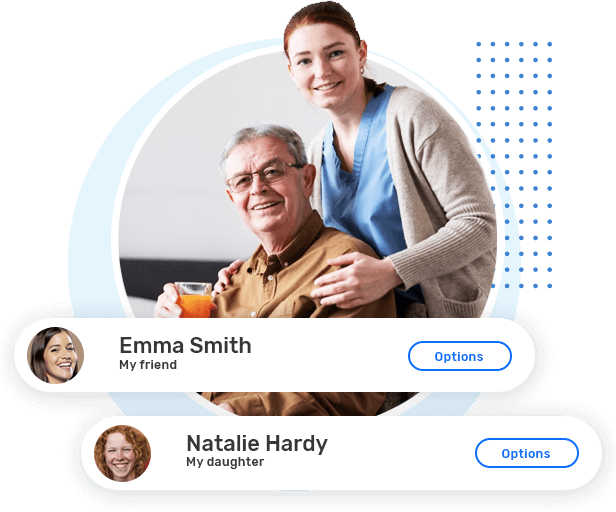
One important group affected by the UK landline switchover is older people and vulnerable households. Many pensioners rely on landlines as their primary way of staying in touch with family, carers and emergency services. Both digital landlines and VoIP services can work well for older users, but they are designed with different levels of complexity.
Challenges and benefits for older users
Analogue landlines were simple, did not rely on broadband and often kept working during power cuts. Digital voice introduces new considerations: power cuts (router and phone need electricity or battery backup), internet dependency, and compatibility with telecare devices. Despite this, digital landlines can offer better protection from scam calls, trusted contact features so a family member or carer can assist with calls, and a simple plug-and-play setup that keeps the familiar calling experience.
Standalone VoIP can work for older users but often involves more configuration. For people who prefer simple technology, a digital landline designed for home users is usually easier. When choosing a service for vulnerable households, look for: simple installation, strong scam call protection, clear support, telecare compatibility and backup options during power cuts.
Read our guide on digital voice and vulnerable users for the protections available and what providers must do to support customers who rely on their landline.
The future of home phones in the UK
The PSTN switch-off marks the beginning of a new era for home communication. Digital voice systems will continue evolving with features such as: stronger scam call detection; smarter call filtering; mobile app integration; improved call quality.
These changes aim to create a safer and more flexible phone system for households across the UK. For the full timeline, see Digital switchover timeline 2024–27.
Frequently asked questions
A digital landline is a home phone service that uses internet technology to make calls. VoIP, or Voice over Internet Protocol, is the technology that allows those calls to travel over broadband networks instead of traditional copper phone lines. Most digital landlines are powered by VoIP behind the scenes.
Digital landlines are usually powered by VoIP technology, but they are packaged as a simple home phone service. VoIP is the technology that allows calls to travel over the internet, while a digital landline is the consumer service built on that technology.
Traditional analogue landlines will disappear, but home phone services will still exist. They will simply operate through internet technology instead.
Usually not. Many existing home phones work with digital services using a VoIP adapter or router connection.
Most providers aim to keep pricing similar to traditional landline services. Some digital services may even reduce costs due to lower infrastructure expenses.
No. Fibre broadband is not mandatory. Digital landlines can work over standard broadband, 4G or 5G home internet, or satellite broadband, as long as the connection is stable.
Final thoughts
You will still have a home phone. The technology behind it will simply become faster, smarter and more secure.
The UK's phone network is evolving, but the basic idea of a landline remains the same. Digital landlines and VoIP both use internet technology to deliver calls more efficiently. For most households, the transition will feel straightforward.
What should you do next?
For the full picture on the 2027 PSTN switch off, how to prepare, and what to look for in a provider, read our main UK guide.
Or: