Comparison
Internet phone vs landline: what's the difference and which is better?
If you have a traditional landline and you are wondering whether to switch to an internet phone, this page explains the differences clearly — cost, quality, features, and what the 2027 switch-off means for you.
Both let you make and receive calls from a home phone number — but they work very differently. Here is what you need to know.
For a full overview see our guide to the best digital landline providers in the UK.
Quick comparison: internet phone vs landline
The key differences at a glance.
| Feature | Internet phone | Traditional landline |
|---|---|---|
| Works over broadband | ||
| Works after Jan 2027 | ||
| Keep existing number | ||
| Use existing handset | ||
| Monthly cost (Phonely) | From £9.97 | From ~£22+ with line rental |
| UK minutes included | 1,600/month | Varies — often charged per minute |
| Scam call protection | Included with CallGuard | |
| Call recording | ||
| Works during power cut | Sometimes (corded only) | |
| HD call quality | ||
| Requires broadband |
How an internet phone is different from a landline
A traditional landline works by sending your voice as an analogue electrical signal through copper wires that run under the street to the telephone exchange. This infrastructure has been in place since the 1800s.
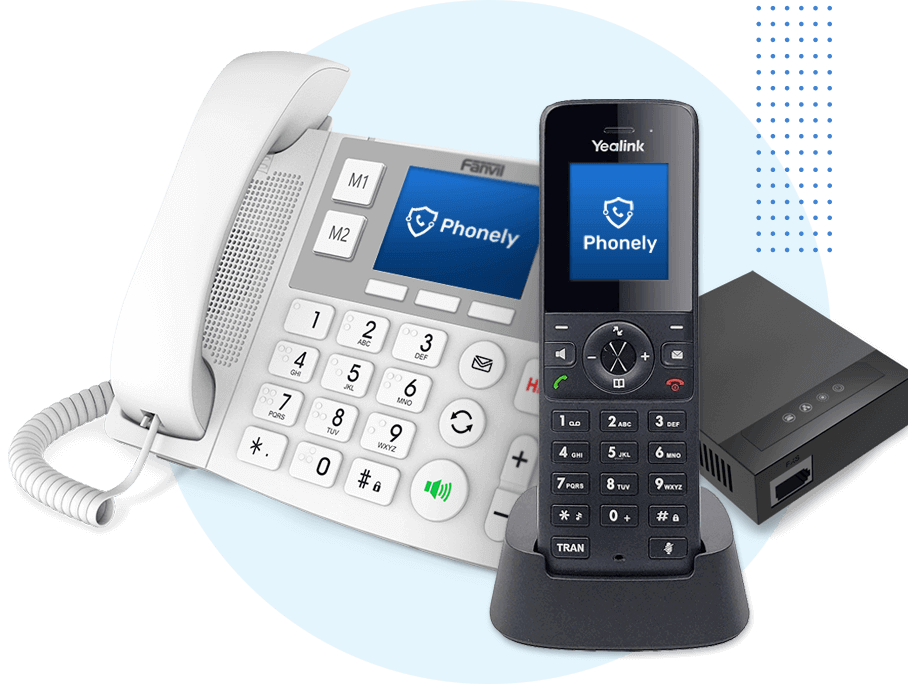
An internet phone converts your voice into digital data and sends it over your broadband connection. The technology is fundamentally different, but the experience for the caller is identical. You pick up your handset, hear a dial tone, and dial a number.
The key differences that matter in practice are cost, features, and future-proofing. Internet phones are typically cheaper because there is no separate line rental charge. They support advanced features like scam call screening that the old copper network cannot. And they will continue to work after January 2027 — when the copper network is permanently switched off.
The 2027 switch-off: why traditional landlines are running out of time
The UK's copper telephone network — the PSTN — is being permanently decommissioned by January 2027. Every major provider in the country is already migrating customers away from it.
This means that every home currently using a traditional landline will need to switch to an internet phone service before that date. The migration is not optional — the physical infrastructure is being removed.
Your provider is required to manage your migration, but many are simply moving customers across to a basic digital voice service with no additional protection or features. Switching to Phonely on your own terms means you can choose a service built around your needs — including built-in scam call protection via CallGuard.
Internet phone: advantages over a landline
Lower cost. No separate line rental. Phonely plans start from £9.97/month including 1,600 free UK minutes. A BT landline with broadband typically starts around £22–£28/month before call charges.
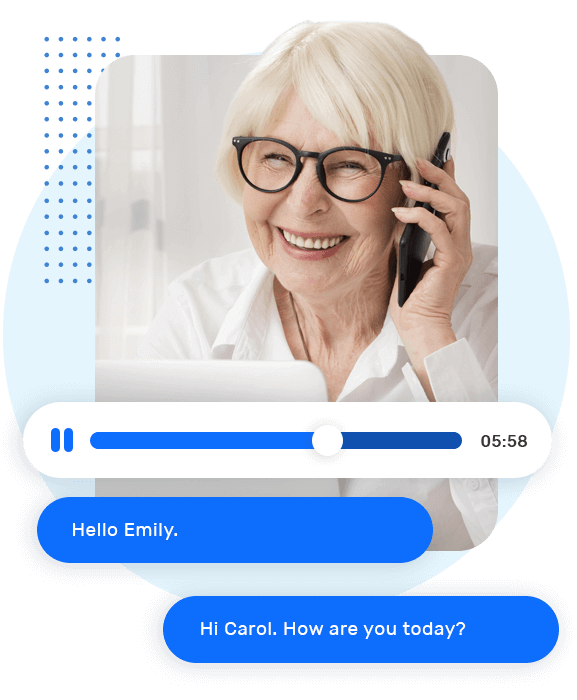
Scam call protection. Because internet phone calls are digital, it is possible to screen and block suspicious calls in real time. Phonely's CallGuard system does this automatically. The old copper network cannot support this level of protection.
Better call quality. Internet phone calls use HD voice technology where supported, producing clearer and more natural sound than the old analogue landline.
Advanced features. Call recording, call transcription, trusted person alerts, and keyword notifications are all possible over an internet phone. None of these were possible on the traditional copper landline.
Future-proof. An internet phone will continue to work after January 2027. A traditional landline will not.
Where a traditional landline still has an edge
There are two areas where the traditional landline has historically had an advantage — and it is worth understanding both honestly.
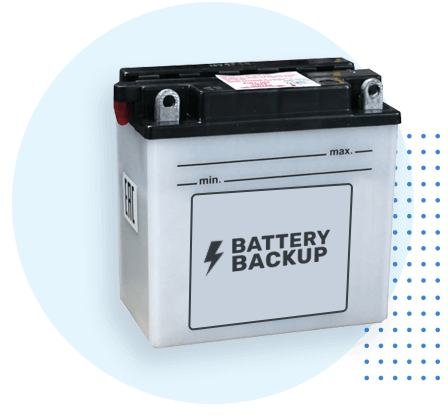
Power cuts. A corded landline handset could sometimes draw power from the telephone exchange during a power cut, allowing emergency calls even without electricity. An internet phone requires your router to be powered on. If the power goes down, so does the router and the internet phone. It is sensible to keep a charged mobile phone for genuine emergencies.
No broadband dependency. A traditional landline does not require a broadband connection. An internet phone does. For the very small number of UK homes without broadband, this matters. For everyone else, it is not a practical concern.
Both of these trade-offs are worth knowing about, but they do not change the fundamental picture: from January 2027, traditional landlines will no longer work, and an internet phone is the replacement.
Frequently Asked Questions
For most UK homes, yes. An internet phone costs less, offers more features, and is future-proof as the old copper landline network is being switched off by January 2027. The only meaningful disadvantage is that it requires a working broadband connection and will not function during a power cut.
A traditional landline routes calls through the copper telephone network. An internet phone routes calls over your broadband connection. The calling experience is identical — you use your existing handset — but internet phones are cheaper, offer more features such as scam protection, and are not dependent on the ageing copper infrastructure.
Yes. You can transfer your existing landline number to an internet phone service. Phonely handles the porting process and it typically takes 5 to 7 working days. You can also choose a new number during signup.
Yes. The UK copper telephone network is being permanently switched off by January 2027. After that date, traditional landlines will no longer work. Every home with a landline will need to have moved to an internet phone service before this happens.
No. An internet phone requires your router to be powered on. During a power cut, neither the router nor the internet phone will work. We recommend keeping a charged mobile phone for emergencies. Phonely also provides offline alerts so trusted contacts are notified if your service becomes unavailable.
Ready to switch from landline to internet phone?
Phonely makes switching straightforward. Keep your number, keep your handset, and get built-in scam protection included from day one.
Plans from £9.97/month. Free VoIP adapter included.
Related Guides & Services
Explore more from Phonely
Internet Phone Calls
How internet phone calls work, call quality, and what is included in your plan.
Learn MoreUK Digital Landline Switchover
The complete guide to the 2027 PSTN switch-off and what it means for you.
Learn More